Salamander• Creature
The Salamander is a small magical lizard that lives in and feeds on fire. It can live up to six hours away from the fire from which it spawned, but it must be fed pepper to keep it alive, and when the fire from which the salamander spawned goes out,… Read MoreSasabonsam• Creature
Sasabonsams are “vampiric, spindle-legged creatures” native to Nigeria. Read MoreSeagulls• Creature
Seagulls, mundane seabirds, were flying above the ship Newt Scamander took to New York in 1926 when it approached New York (WFT). Read MoreSea Serpent• Creature
A gigantic (can grow to a hundred feet in length), snake-like beast with a horselike head and a long snakelike body rising in humps out of the sea as it moves through the water; found in the Atlantic, Mediterranean, and Pacific Oceans. The sea serpent has received very bad Muggle… Read MoreSelma• Creature
The Selma is a large serpent found in icy Norwegian lakes. They eat fish and human flesh. The Norwegian Quidditch team brought one as their team mascot in 2014, were it caused a conflict that eventually included many of the other mascots. Read MoreShrake• Creature
A magically-created species of saltwater fish, found in the Atlantic Ocean, which is covered in spines and which deliberately seeks out and destroys Muggle fishing nets. The first shrake were supposedly created in the 1800s by a group of wizard fisherfolk who had been insulted by Muggles. The shrake, by… Read MoreSlugs• Creature
A slug is a kind of slimy invertebrate. Read MoreSmall Magical Creatures• CreatureSnails• Creature
Snail is the common name given to mollusks that have a coiled shell. Snails can be found on land or in water. Read MoreSnakes• Creature
Snakes are reptilian creatures. Below is a list of snake and snake-like creatures found in the magical world: ashwinder basilisk boa constrictor – Harry accidentally released from the zoo, frightening Dudley half to death and resulting in a severe punishment from Uncle Vernon (PS2) dragon Nagini occamy runespoor sea… Read MoreSnallygaster• Creature
The Snallygaster is a dangerous, part-reptile, part-bird creature that inhabits the northeastern part of North America (Pm). Although it superficially resembles a dragon, the Snallygaster is actually a distant relative of the Occamy. Equipped with serrated steel fangs and a hide impervious to bullets, this naturally inquisitive predator is not… Read MoreSnidget• Creature
The Snidget is a small round-bodied bird that was chased as part of the game of Quidditch for about a century in the 1200s and 1300s, until the bird became nearly extinct. Read MoreSphinx• Creature
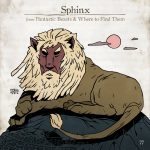
A Sphinx has the head of a human and the body of a lion, the capacity for human speech, and an innate love of puzzles and riddles, but due to its violent tendencies it has been placed in the ‘beast’ rather than the ‘being’ category (FB). … Read MoreSpiders• Creature
Spiders are arachnids, eight-legged creatures similar to insects. Hogwarts castle has quite a few common spiders, as do most human habitations. Magical spiders, unlike their common relatives, can be quite large and terrifying. The acromantula, a gigantic arachnid native to Borneo, is the best known of the magical spiders… Read MoreStag• Creature
A stag is a male deer with antlers. The stag is the Animagus form of James Potter, and the Patronus form of Harry Potter. Read Morestickleback• CreatureStreeler• Creature
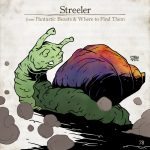
The streeler is a giant snail that changes color every hour, and deposits a trail of venom as it moves that kills and shrivels all vegetation over which it passes, and which can kill horklumps. It is often kept as a pet (FB). Read MoreSwedish Short-Snout• Creature
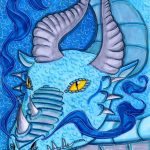
The Swedish Short-Snout is a species of dragon, native to Sweden. Its habitat is wild, uninhabited mountain areas. The Short-Snout is silvery-blue in color and it’s flame is a brilliant blue (FB). Sweden maintains a dragon reservation for the Short-Snout, located in the mountainous heart of the country… Read MoreSwooping Evil• Creature
The Swooping Evil is a blue and green reptilian flying creature about the size of a parrot but with bat-like wings that can expand almost like a huge butterfly. It rests in a small cocoon until released, when it flies around majestically. It is intelligent and strong, capable of supporting… Read More
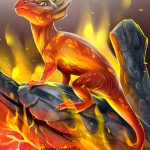 Salamander
• Creature
The Salamander is a small magical lizard that lives in and feeds on fire. It can live up to six hours away from the fire from which it spawned, but it must be fed pepper to keep it alive, and when the fire from which the salamander spawned goes out,… Read More
Salamander
• Creature
The Salamander is a small magical lizard that lives in and feeds on fire. It can live up to six hours away from the fire from which it spawned, but it must be fed pepper to keep it alive, and when the fire from which the salamander spawned goes out,… Read More
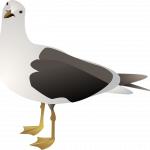 Seagulls
• Creature
Seagulls, mundane seabirds, were flying above the ship Newt Scamander took to New York in 1926 when it approached New York (WFT). Read More
Seagulls
• Creature
Seagulls, mundane seabirds, were flying above the ship Newt Scamander took to New York in 1926 when it approached New York (WFT). Read More
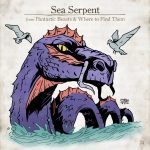 Sea Serpent
• Creature
A gigantic (can grow to a hundred feet in length), snake-like beast with a horselike head and a long snakelike body rising in humps out of the sea as it moves through the water; found in the Atlantic, Mediterranean, and Pacific Oceans. The sea serpent has received very bad Muggle… Read More
Sea Serpent
• Creature
A gigantic (can grow to a hundred feet in length), snake-like beast with a horselike head and a long snakelike body rising in humps out of the sea as it moves through the water; found in the Atlantic, Mediterranean, and Pacific Oceans. The sea serpent has received very bad Muggle… Read More
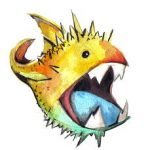 Shrake
• Creature
A magically-created species of saltwater fish, found in the Atlantic Ocean, which is covered in spines and which deliberately seeks out and destroys Muggle fishing nets. The first shrake were supposedly created in the 1800s by a group of wizard fisherfolk who had been insulted by Muggles. The shrake, by… Read More
Shrake
• Creature
A magically-created species of saltwater fish, found in the Atlantic Ocean, which is covered in spines and which deliberately seeks out and destroys Muggle fishing nets. The first shrake were supposedly created in the 1800s by a group of wizard fisherfolk who had been insulted by Muggles. The shrake, by… Read More
 Slugs
• Creature
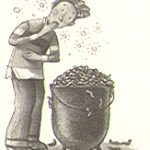
A slug is a kind of slimy invertebrate. Read More
Slugs
• Creature
A slug is a kind of slimy invertebrate. Read More
 Snakes
• Creature
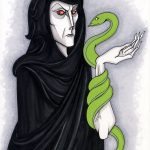
Snakes are reptilian creatures. Below is a list of snake and snake-like creatures found in the magical world: ashwinder basilisk boa constrictor – Harry accidentally released from the zoo, frightening Dudley half to death and resulting in a severe punishment from Uncle Vernon (PS2) dragon Nagini occamy runespoor sea… Read More
Snakes
• Creature
Snakes are reptilian creatures. Below is a list of snake and snake-like creatures found in the magical world: ashwinder basilisk boa constrictor – Harry accidentally released from the zoo, frightening Dudley half to death and resulting in a severe punishment from Uncle Vernon (PS2) dragon Nagini occamy runespoor sea… Read More
 Snallygaster
• Creature
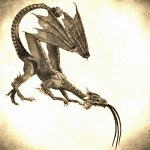
The Snallygaster is a dangerous, part-reptile, part-bird creature that inhabits the northeastern part of North America (Pm). Although it superficially resembles a dragon, the Snallygaster is actually a distant relative of the Occamy. Equipped with serrated steel fangs and a hide impervious to bullets, this naturally inquisitive predator is not… Read More
Snallygaster
• Creature
The Snallygaster is a dangerous, part-reptile, part-bird creature that inhabits the northeastern part of North America (Pm). Although it superficially resembles a dragon, the Snallygaster is actually a distant relative of the Occamy. Equipped with serrated steel fangs and a hide impervious to bullets, this naturally inquisitive predator is not… Read More
 Snidget
• Creature
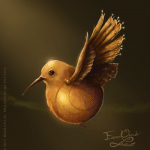
The Snidget is a small round-bodied bird that was chased as part of the game of Quidditch for about a century in the 1200s and 1300s, until the bird became nearly extinct. Read More
Snidget
• Creature
The Snidget is a small round-bodied bird that was chased as part of the game of Quidditch for about a century in the 1200s and 1300s, until the bird became nearly extinct. Read More
 Sphinx
• Creature
A Sphinx has the head of a human and the body of a lion, the capacity for human speech, and an innate love of puzzles and riddles, but due to its violent tendencies it has been placed in the ‘beast’ rather than the ‘being’ category (FB). … Read More
Sphinx
• Creature
A Sphinx has the head of a human and the body of a lion, the capacity for human speech, and an innate love of puzzles and riddles, but due to its violent tendencies it has been placed in the ‘beast’ rather than the ‘being’ category (FB). … Read More
 Spiders
• Creature
Spiders are arachnids, eight-legged creatures similar to insects. Hogwarts castle has quite a few common spiders, as do most human habitations. Magical spiders, unlike their common relatives, can be quite large and terrifying. The acromantula, a gigantic arachnid native to Borneo, is the best known of the magical spiders… Read More
Spiders
• Creature
Spiders are arachnids, eight-legged creatures similar to insects. Hogwarts castle has quite a few common spiders, as do most human habitations. Magical spiders, unlike their common relatives, can be quite large and terrifying. The acromantula, a gigantic arachnid native to Borneo, is the best known of the magical spiders… Read More
 Streeler
• Creature
The streeler is a giant snail that changes color every hour, and deposits a trail of venom as it moves that kills and shrivels all vegetation over which it passes, and which can kill horklumps. It is often kept as a pet (FB). Read More
Streeler
• Creature
The streeler is a giant snail that changes color every hour, and deposits a trail of venom as it moves that kills and shrivels all vegetation over which it passes, and which can kill horklumps. It is often kept as a pet (FB). Read More
 Swedish Short-Snout
• Creature
The Swedish Short-Snout is a species of dragon, native to Sweden. Its habitat is wild, uninhabited mountain areas. The Short-Snout is silvery-blue in color and it’s flame is a brilliant blue (FB). Sweden maintains a dragon reservation for the Short-Snout, located in the mountainous heart of the country… Read More
Swedish Short-Snout
• Creature
The Swedish Short-Snout is a species of dragon, native to Sweden. Its habitat is wild, uninhabited mountain areas. The Short-Snout is silvery-blue in color and it’s flame is a brilliant blue (FB). Sweden maintains a dragon reservation for the Short-Snout, located in the mountainous heart of the country… Read More
 Swooping Evil
• Creature
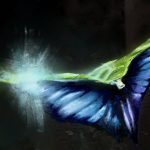
The Swooping Evil is a blue and green reptilian flying creature about the size of a parrot but with bat-like wings that can expand almost like a huge butterfly. It rests in a small cocoon until released, when it flies around majestically. It is intelligent and strong, capable of supporting… Read More
Swooping Evil
• Creature
The Swooping Evil is a blue and green reptilian flying creature about the size of a parrot but with bat-like wings that can expand almost like a huge butterfly. It rests in a small cocoon until released, when it flies around majestically. It is intelligent and strong, capable of supporting… Read More